
Lion’s Mane: A Synergistic Partner for Psilocybin Mushrooms

When I talk to people about Lion’s Mane, I often recall how in Japan is is called ‘yamabushiitake’ named after the Yamabushi monks, who are a sect of ascetic mountain hermits (their name literally translating to one who prostrates oneself on the mountain) These monks referred to the mushroom as the ‘Mountain Priest’ due to its role in assisting with focus during meditation, and it’s said that the Yamabushi mountain monks wear a garment around their necks with long strands of fur to resemble lion’s mane.
So while we might often think about Lion’s Mane in regards to it being a nootropic supplement to assist with brain function, there might be more of a practical spiritual basis to engage with this mushroom. The potential benefit for providing focus during meditation is something to think about in a way where lion’s mane could provide the bridge between the world of microdosing and the world of supplements. It’s no surprise that we’re seeing more protocols which combine both psychedelic mushrooms with lion’s mane, with an increase in conversations surrounding the idea of ‘stacking’ different mushrooms together for a synergistic effect.
Could lion’s mane potentially provide a gateway to understand where cognitive enhancement meets spiritual growth? This mushroom might be sitting in a unique position between these two worlds, where traditional wisdom and modern understandings of wellness can be combined with psychedelic integration.
What is the traditional use of Lion’s Mane?
The spiritual use of Lion’s Mane by the Yamabushi monks, along with their clothing which resembles it, and the mushroom even being named after them suggests a strong connection with the effects of Lion’s Mane and its impact on meditative practice. One of the main benefits is its ability to calm the nervous system, which could possibly be a prerequisite for meditating. I often find myself struggling with meditation as many others do, but through utilising Lion’s Mane in an intentional way, I have been able to focus more during these experiences.
Known as Hou Tou Gu (Monkey Head mushroom) in Traditional Chinese Medicine (TCM), it was traditionally recommended as nourishment for the gut and fortifying the Qi of the spleen and digestive system, as well as fighting cancer – although its use within this system is rarer compared to other types of mushrooms such as reishi. In recent years there has been more focus on the benefits it can potentially have for the gut-brain axis, and this might be the area where the traditional wisdom can be comfortably combined with the modern science. The traditional use in meditative practice, as well as looking towards the gut-brain axis hints at its deeper role in regulating attention and emotional stability. We can see how its combination with psilocybin mushrooms could provide a synergistic effect for increasing neuroplasticity, which might be the key to unlocking better brain health and overall wellbeing.
Re-emergence from Traditional Use to Modern Biohacking

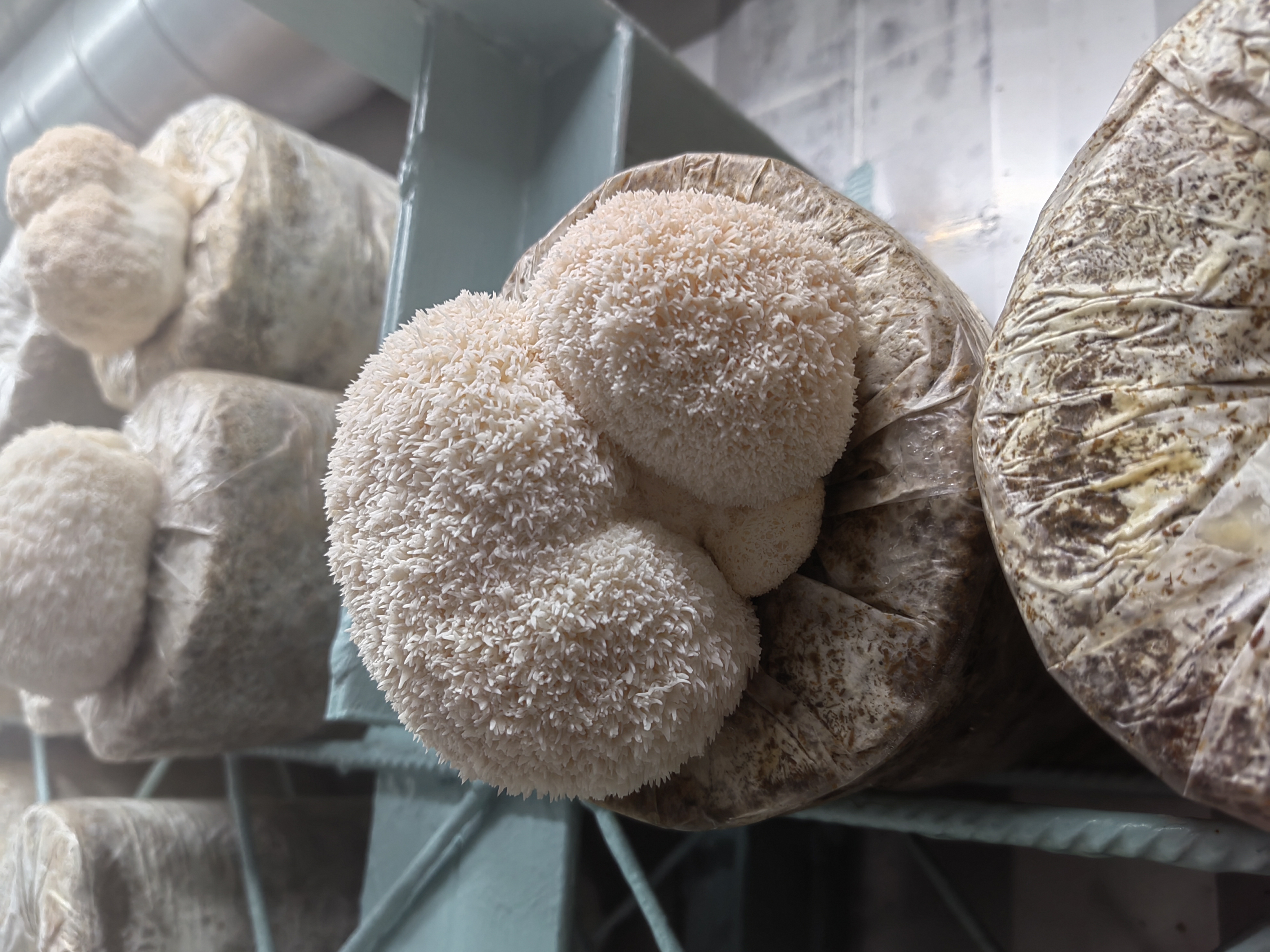
Image credit: Pilleriinteras, CC BY-SA 4.0 https://creativecommons.org/licenses/by-sa/4.0, via Wikimedia Commons
Research surrounding the benefits of Lion’s Mane point towards its potential for improving cognitive function, as well as providing additional support for the nervous system, heart, managing anxiety and depression, controlling blood sugar, fighting cancer, boosting the immune system, and fighting oxidative stress. The variety of different compounds contained within the mushroom could be responsible for these potential benefits.
Bioactive compounds known as hericenones and erinacines have been shown to increase something known as Nerve Growth Factor (NGF) which is primarily involved in the regulation of growth, maintenance, proliferation, and survival of certain target neurons. These target neurons are utilised for memory and learning, the ability of Lion’s Mane in reducing oxidative stress and inflammation may also have a positive impact on age-related brain diseases. Some studies suggest it could protect against conditions like Alzheimer’s and Parkinson’s disease, and interestingly there has been some research only this year showing how psilocybin mushrooms could be a potential treatment for managing Parkinson’s.
These cognitive-enhancing benefits which have the potential to increase neuroplasticity, as well as improve our mood, might allow us to see where there could be a mechanistic overlap between Lion’s Mane and psilocybin mushrooms.
Synergy with Microdosing
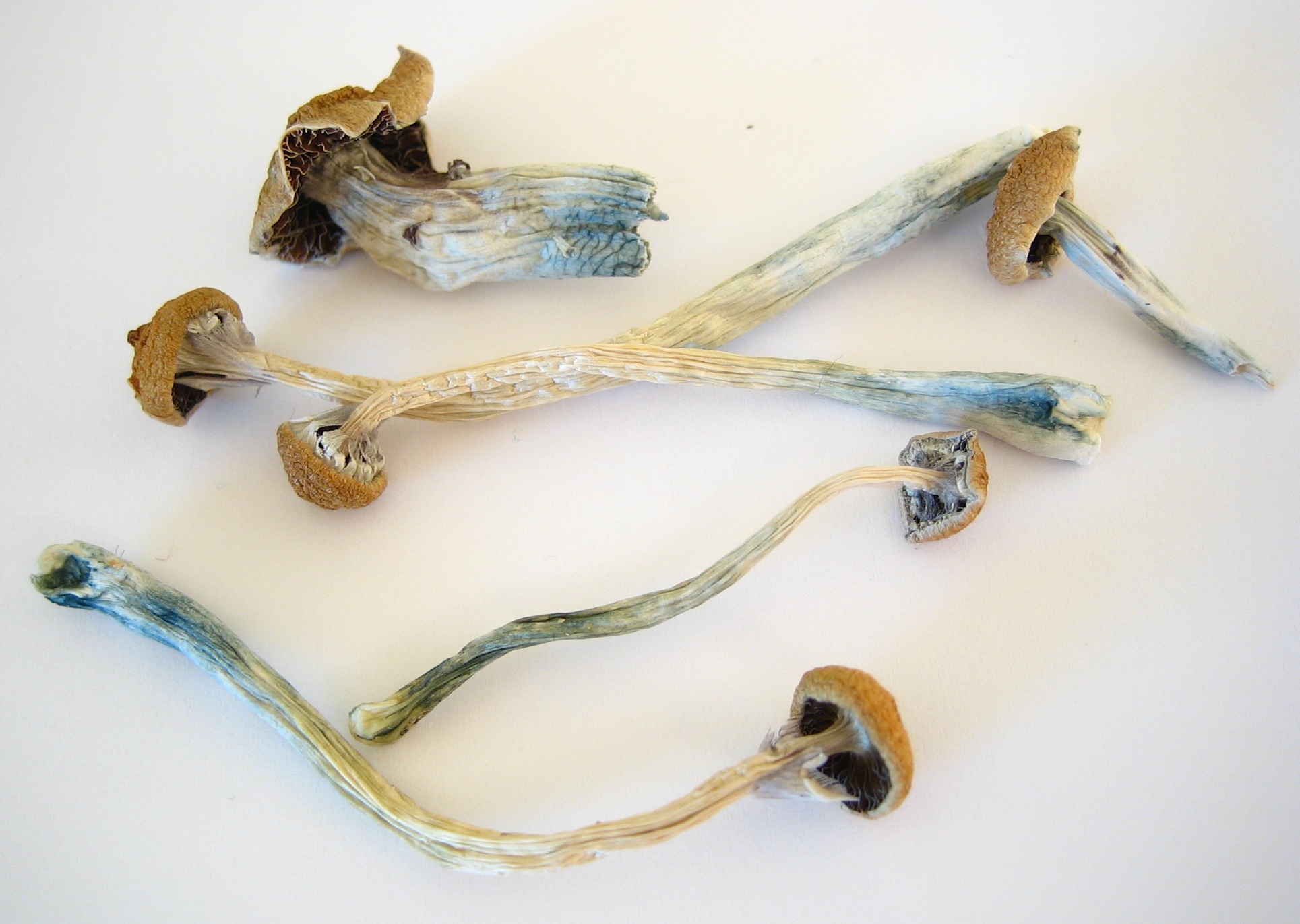
Image credit: Erik Fenderson, Public domain, via Wikimedia Commons
There has been a growing rise in the popularity of combining small doses of psilocybin mushrooms with functional mushrooms to amplify benefits, as well as creating synergistic protocols which suit our individual needs. The most popular combination seems to be the ‘Stamets stack’ where psilocybin mushrooms, lion’s mane, and niacin (vitamin B3) are stacked together. In theory this provides neuro-regenerative benefits in a synergistic way, allowing for the development of new neural pathways, as well as potentially repairing neurological damage, and providing benefits on a mental and emotional level.
Anecdotal reporting of the dosing regime suggests small doses 0.1-0.2g of psilocybin mushrooms combined with 1000-3000mg of lion’s mane extract powder with 500mg of niacin (I personally haven’t combined this stack with niacin, but in theory it assists with getting the compounds through the body. This stack could be useful for overall focus and creativity, which I have personally found to be useful when engaging in meditation or different creative practices, as well as lifting my mood and generally bringing about an overall sense of peace.
Towards a Peaceful Mind: Mycelial Lessons for the Psyche
The interconnectedness of the mycelial network can show us how we can utilise different fungi in an interconnected way. The synergistic effects of Lion’s Mane in combination with psilocybin mushrooms can provide us with both spiritual and physical benefits, which can allow us to feel more at ease and have greater say when it comes to our overall wellness. This combination might also open us up to our own internal perception, where we can begin to listen to our body more and fine tune our responses to the world and feel more at ease with everything.
It seems obvious to say that finding peace with others starts with the self. As much as this is a philosophical issue, there is a lot to be said for the combination of powerful fungi to shift the energetic centres within ourselves where we can take small actions to genuinely feel more at peace, rather than just talking about it or hoping it will arrive some day.
To learn more about my work, take a look at The Fungi Consultant